We provide all general dental services to patients of all ages. Listed below are some of the general services we provide:
Cosmetic Dentistry
Restorative Dentistry
Laser Dentistry
Digital X-rays
Emergency Services
Crowns and Bridges
Dentures
Gum and Bone Treatment
Root Canal Treatment
Digital Impressions
Our Services
Family Dentistry
We provide general dental services to patients of all ages and backgrounds. We pride ourselves in having treated patients from ages 1 to 101, and have families that have brought four generations to our office. Patients who started out as kids in our office now bring their own kids to us.
Cosmetic Dentistry
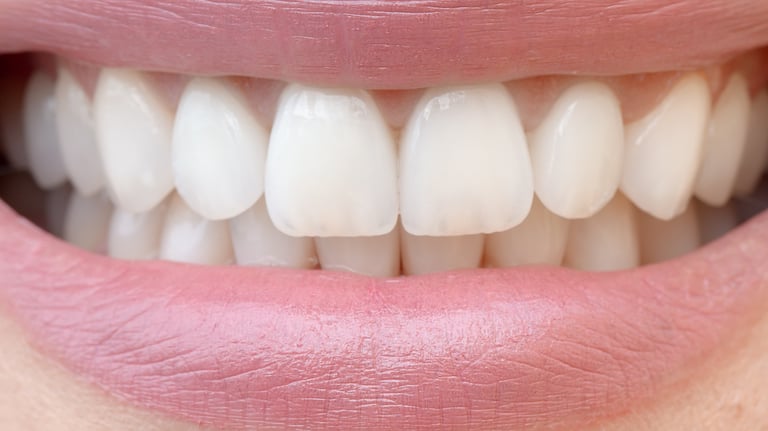
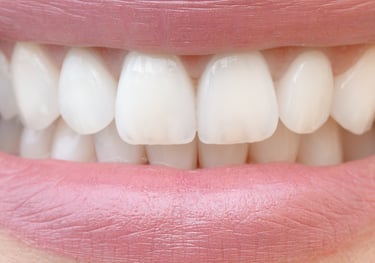
There is no recognized specialty in cosmetic dentistry, but we do provide all cosmetic-type dental services including all bonding procedures, whitening (or "bleaching"), tooth-colored fillings, veneers, and ceramic crowns and bridges.
Improving the appearance of your smile may involve simple recontouring of your teeth or gums, often without any anesthesia needed and without having to add anything to them, or can be a combination of many procedures.


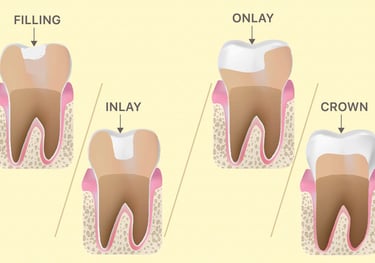
Restorative Dentistry
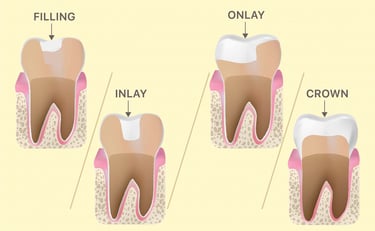
Restorative dentistry includes all fillings, inlays, onlays, and crowns. Fillings can be made of silver, composite resin (tooth-colored plastic), gold, or various ceramic materials, and may cover one or more surfaces of a tooth. Each material has it's own advantages and disadvantages, and no one material is right for all situations. See the Dental Materials Facts Sheet on our Dental Information page.
Laser Dentistry
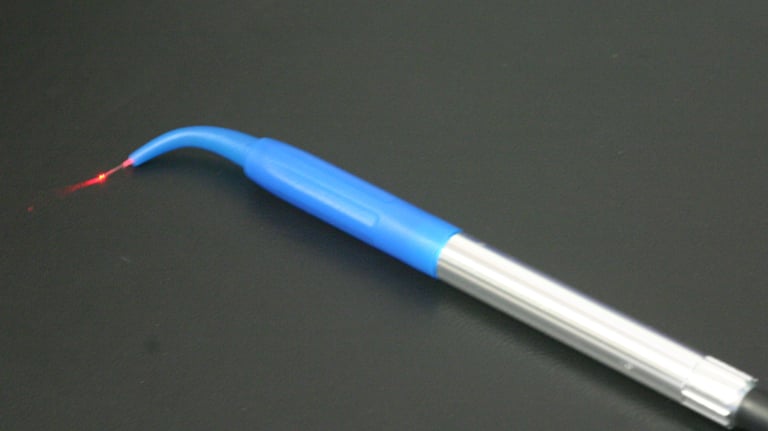
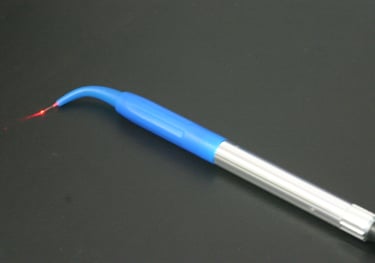
The greatest advantage of lasers is that they can be used with little or no anesthesia. That means fewer shots and less time being numb. Lasers have many uses in dentistry, but their best applications are in soft tissue treatments. Laser treated soft tissue heals better and faster than with other methods. There is generally less infection and less post-operative pain. Some laser procedures include:
contouring and shaping the gum
treating cold sores and canker sores
treating gum disease
improving impressions for crowns, bridges, and veneers
cleaning root canals
exposing unerupted or partially erupted teeth
Digital X Rays
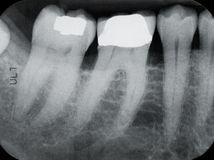
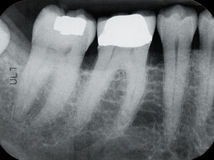
Digital, or computerized x-rays have several advantages over traditional film x-rays, including less radiation, greater diagnostic abilities, and faster image viewing. Plus they can be easily emailed, copied, or printed, thereby improving communication with other dentists and insurance companies.


Emergency Services
Although most patients are seen by appointment during regular business hours, we always try to accommodate patients who are in pain, and see them as soon as possible. If you have a dental emergency requiring immediate attention, please call our office as soon as possible. Our answering service is on 24 hours a day, seven days a week. Please leave a detailed message, including your name and phone number, on the answering machine before paging Dr. Louie.
Crowns and Bridges
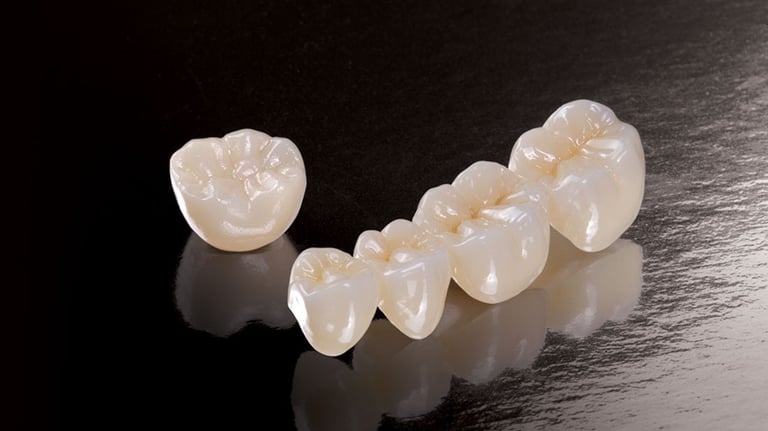
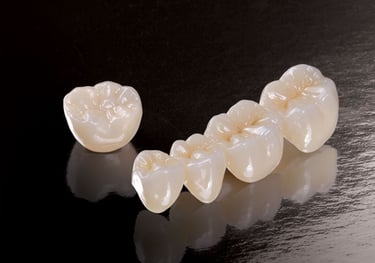
A crown covers most, if not all, of the visible part of a tooth. It is a solid structure and therefore may help to strengthen the tooth and prevent fracture. It can be contoured and colored to blend with or improve your smile. Crowns may be made of various metals, ceramic materials, or a combination of these materials.
Bridges involve two or more teeth joined together by one or more false teeth. There are numerous different designs of bridges and many different ways of attaching them to teeth. The classic three-unit bridge includes two crowns joined together by one false tooth. Crowns and bridges can be placed over implants as well as natural teeth.
Dentures
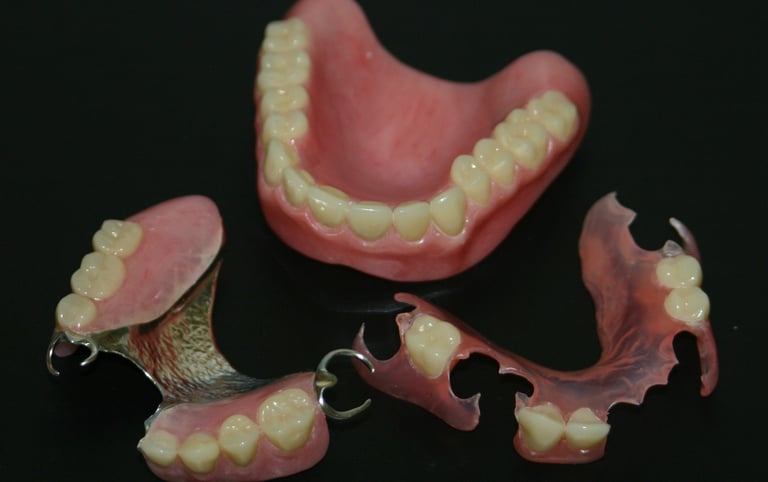
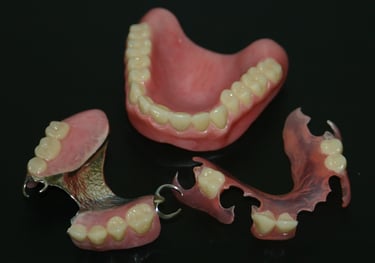
Removable dentures can be made to replace some or all missing natural teeth. Their designs can vary depending on the number of missing teeth, the type of materials used, and the desired appearance. They can be made from a combination of metals, plastics, and ceramic materials, and can be anchored in the mouth by different types of clasps or by special attachments to crowns or implants.
Gum and Bone Treatment
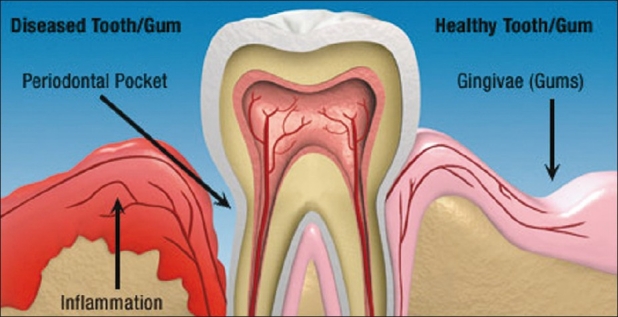
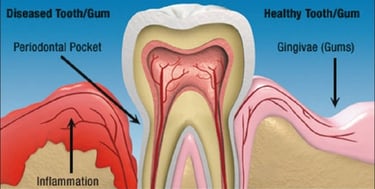
Diseases of the gum and bone (periodontal disease) can range from mild inflammation of the gum to rapid degeneration of the bone and loss of teeth. Common signs of periodontal disease can include bleeding gums, red or swollen gums, receding gums, or loose teeth. Often, there is no pain or even sensitivity associated with periodontal diseases. Most diseases are caused by bacteria and therefore cleaning is the first stage of treatment.
Daily flossing, brushing, and rinsing are the best ways to prevent most dental problems, and are the most important part of any treatment of any periodontal disease. Deep cleaning (or root planing), antimicrobial medication, more frequent professional cleaning, and/or periodontal surgery may be indicated if good home care is not sufficient.
Oral Surgery
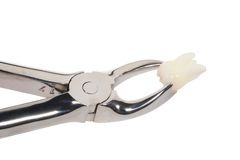
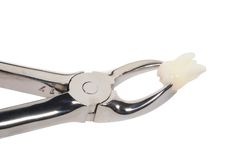
Most tooth extractions can be performed in our office under local anesthetic. This reduces the need for outside transportation, fasting, and complications from the general anesthetic medications. Complicated extractions, patients requesting general anesthesia, and other surgical procedures are usually referred to an oral surgery specialist.
Root Canal Treatment
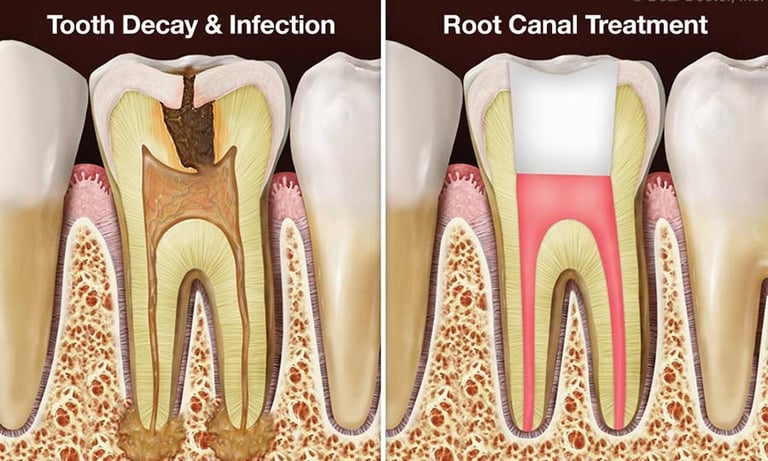
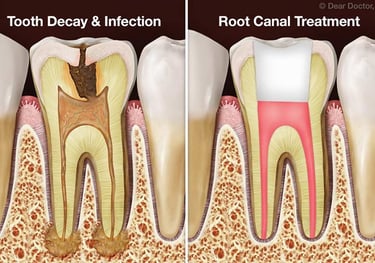
A root canal treatment involves cleaning the inside of the tooth by removing the nerve, blood vessels, and bacteria from within the tooth. Once the root canals are cleaned and properly shaped, they are filled completely and sealed over with a filling to prevent bacteria from reentering the tooth. A crown is usually recommended to prevent fracture of the weakened tooth. This treatment saves the roots of the tooth so that the tooth does not need to be removed and replaced.
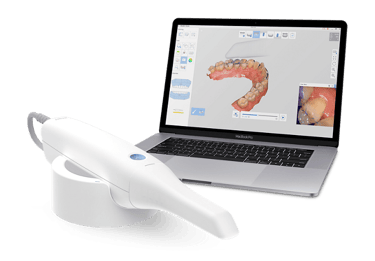
Digital Impressions
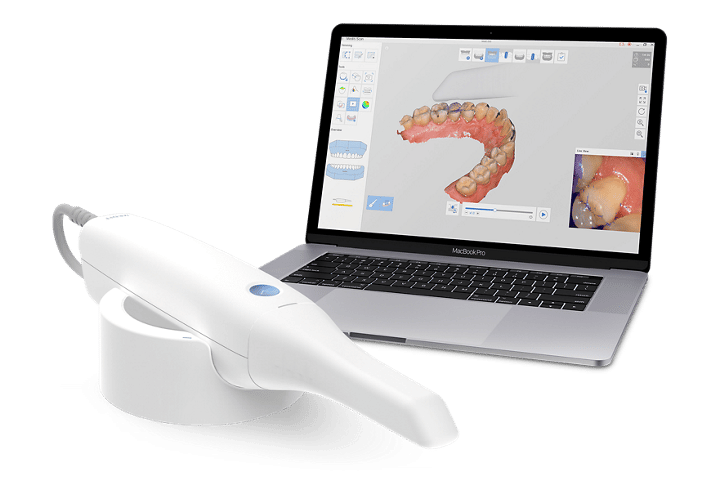
Intraoral scanners are used to make 3D images. Replacing the traditional putty-like moulds, digital images are more accurate, less messy, and easily reproducible.
Address: Kenneth G. Louie, DDS
2844 Summit Street, Suite 109
Oakland, CA 94609
Phone: (510) 444-7277
Email: klouiedds@gmail.com
Hours: Mon/Tues/Thurs/Fri: 8:45 to 5:45
Weds/Sat: by appointment only